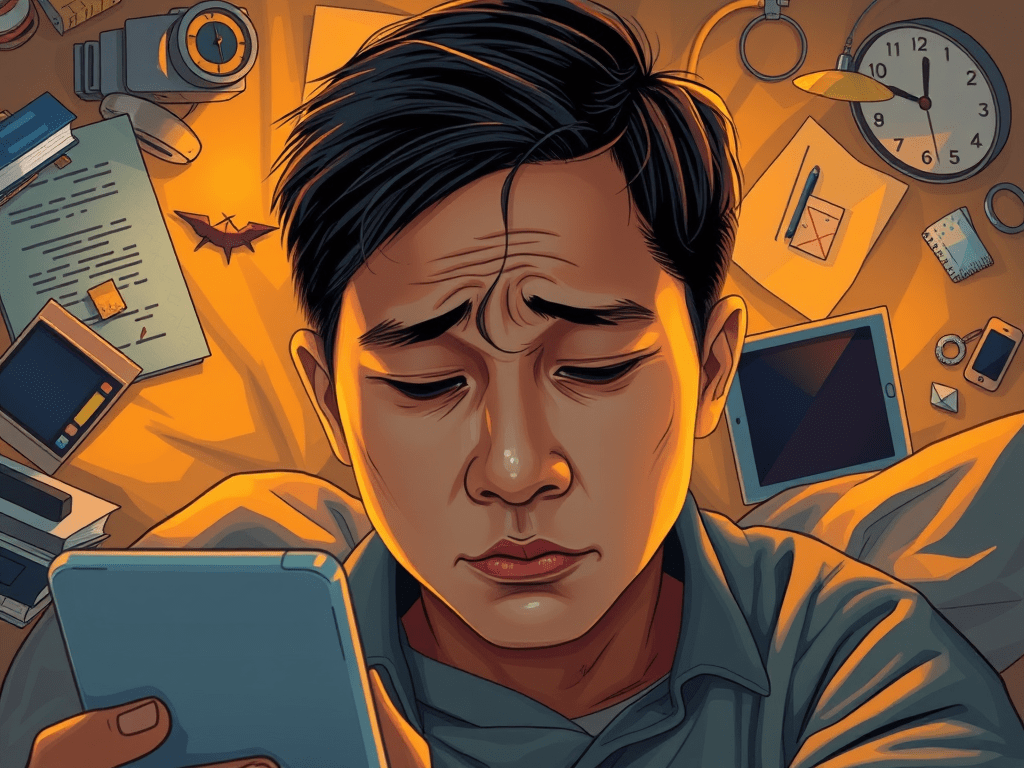
Sleep deprivation is a global issue that affects millions of people, and Filipinos are no exception. The fast-paced lifestyle, work pressures, and increasing reliance on digital devices have led to widespread sleep disturbances, with serious consequences on both physical and mental health. In this article, we will explore the causes, effects, and solutions to sleep deprivation in the Philippines, offering insight into how this problem impacts Filipino society and what can be done to mitigate its effects.
Why is Sleep Deprivation So Common in the Philippines?
Several factors contribute to the growing issue of sleep deprivation among Filipinos:
- Long Working Hours: The Philippines is known for its hardworking population, with many workers putting in long hours. According to a study by the Philippine Statistics Authority (PSA), many Filipinos work beyond the standard 8-hour workday. This can leave little time for proper rest and recovery.
- Academic Pressures: Students in the Philippines face intense academic competition, leading to long nights of studying and late assignments. This, combined with extracurricular activities, leaves little time for sleep.
- Increased Screen Time: The use of smartphones and digital devices has become a significant part of Filipino life. The constant interaction with screens, especially before bed, disrupts the body’s natural sleep cycle due to blue light exposure.
- Economic Stress: Financial struggles can lead to anxiety and stress, making it difficult for individuals to relax and sleep well. Economic hardships may also lead to long commutes and jobs with irregular hours, further affecting sleep patterns.
The Consequences of Sleep Deprivation
Sleep deprivation affects various aspects of health, both physical and mental. The consequences can be far-reaching, impacting daily life and overall well-being:
- Impaired Cognitive Function: Lack of sleep can result in poor concentration, memory lapses, and difficulty making decisions. This is especially concerning for students and professionals who rely on mental clarity for academic and job performance.
- Weakened Immune System: Chronic sleep deprivation weakens the immune system, making the body more susceptible to illnesses like colds, flu, and other infections.
- Increased Risk of Chronic Conditions: Studies show that insufficient sleep can contribute to the development of chronic conditions such as hypertension, diabetes, and heart disease. Filipinos with sleep deprivation may be more likely to experience these long-term health problems.
- Mental Health Issues: Lack of sleep is closely linked to mental health problems, such as depression, anxiety, and stress. Filipino individuals suffering from sleep deprivation may experience mood swings, irritability, and feelings of overwhelm.
- Decreased Productivity: In the workplace and academic settings, sleep-deprived individuals often experience reduced efficiency, lack of motivation, and slower response times, which negatively impact their productivity.
How Filipinos Can Improve Sleep Quality
Fortunately, there are several practical steps that Filipinos can take to improve their sleep quality and reduce the risks associated with sleep deprivation:
- Set a Regular Sleep Schedule: Going to bed and waking up at the same time every day can help regulate the body’s internal clock. This consistency will improve the quality of sleep and make it easier to fall asleep and wake up naturally.
- Create a Relaxing Sleep Environment: A cool, quiet, and dark room is ideal for sleep. Filipinos should also consider using comfortable pillows and mattresses to support a restful night.
- Limit Screen Time Before Bed: Reducing screen exposure, especially from smartphones and computers, at least an hour before bedtime can help prevent the disruption of the body’s circadian rhythm caused by blue light.
- Manage Stress: Practicing relaxation techniques such as deep breathing, meditation, or even light yoga before bed can help calm the mind and reduce stress, leading to better sleep quality.
- Exercise Regularly: Regular physical activity has been shown to improve sleep quality. Filipinos should incorporate some form of exercise, like walking or swimming, into their daily routine.
- Limit Caffeine and Alcohol: Caffeine and alcohol can interfere with sleep patterns. It’s important to avoid these substances in the evening to promote better rest.
- Seek Professional Help: If sleep deprivation becomes chronic, it may be time to seek medical advice. Doctors and sleep specialists can offer treatment options for conditions like insomnia and sleep apnea, which may be contributing to the problem.
The Role of Technology in Combatting Sleep Deprivation
Interestingly, while technology contributes to sleep deprivation, it can also play a role in improving sleep quality. There are a variety of apps and devices that help Filipinos monitor and improve their sleep patterns, including:
- Sleep-tracking apps: These apps can track sleep cycles and provide insights into sleep quality, helping individuals adjust their habits for better rest.
- White noise machines: For those living in noisy environments, white noise machines or apps can create a calming soundscape that promotes better sleep.
- Relaxation and meditation apps: Guided relaxation techniques available through apps can help ease stress and prepare the body for rest.
The Importance of Raising Awareness About Sleep Deprivation
To tackle sleep deprivation effectively, it is crucial to raise awareness about the issue. The government, health organizations, and educational institutions must take active steps to educate Filipinos about the importance of sleep and provide resources to help combat the problem.
Campaigns on sleep health, better workplace regulations, and academic support can help address the root causes of sleep deprivation in the Philippines. Public health initiatives that encourage better sleep hygiene practices and provide support for mental health can also play an essential role in improving sleep quality nationwide.
Conclusion
Sleep deprivation is a serious issue affecting many Filipinos, with significant impacts on their physical, mental, and emotional well-being. However, by making small lifestyle changes, creating healthier sleep environments, and managing stress, Filipinos can improve their sleep quality and overall health. It’s time to recognize the importance of sleep and take steps to ensure that it becomes a priority in every Filipino household.
References:
- Philippine Statistics Authority. (2022). Labor Force Survey. Retrieved from: www.psa.gov.ph
- National Sleep Foundation. (2021). How Sleep Affects Your Health. Retrieved from: www.sleepfoundation.org
- Mayo Clinic. (2021). Sleep deprivation: Causes, symptoms, and treatments. Retrieved from: www.mayoclinic.org
- Harvard Medical School. (2020). Sleep and Mental Health. Retrieved from: www.health.harvard.edu
 Pinoy Life In Canada Blog
Leave a comment