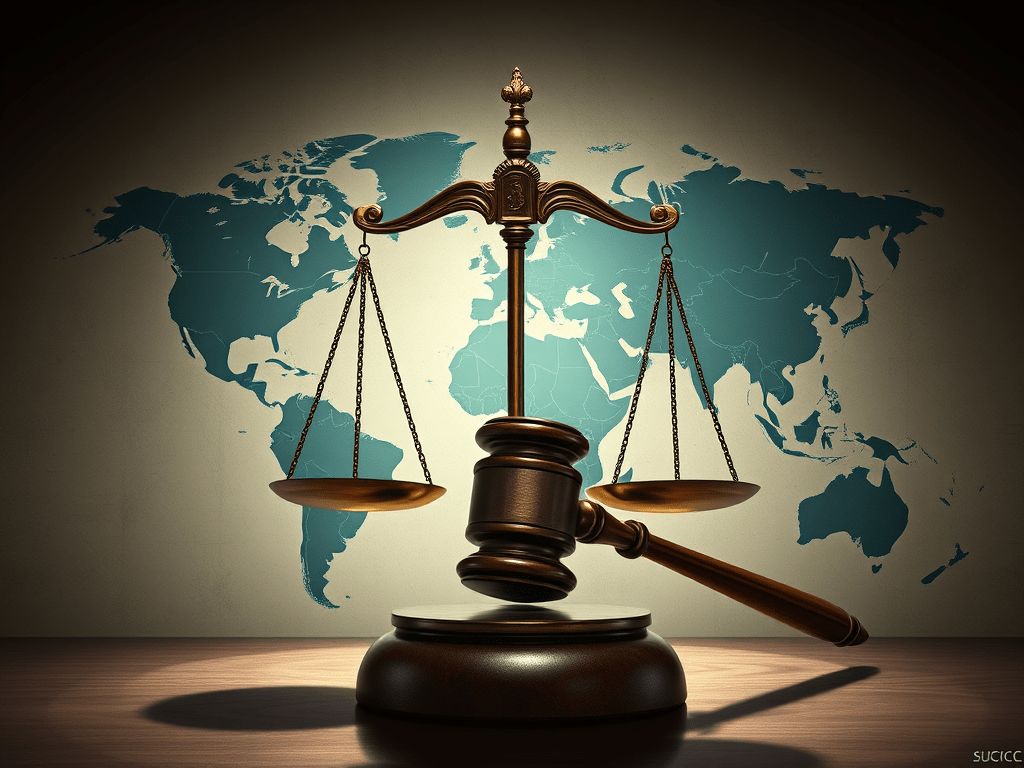
For Filipinos, understanding the implications of the ICC’s warrant of arrest process is crucial, especially considering the Philippines’ history with international courts and its membership status with the ICC. The Philippines was a state party to the Rome Statute, but it withdrew in 2019 following a controversial stance against the court’s jurisdiction. However, the events surrounding the ICC’s investigation into the War on Drugs under the Duterte administration continue to shape public discourse and influence how Filipinos perceive international law, justice, and the ICC.
Here are some important things Filipinos should know about the ICC warrant of arrest and the judiciary process involved in custodial states:
1. The Philippines Was Once a Member of the ICC
The Philippines was one of the original 60 countries to ratify the Rome Statute, which created the ICC. As a state party, the Philippines was legally obliged to cooperate with the ICC, including honoring any arrest warrants issued by the court. However, in 2019, the country officially withdrew from the ICC under the administration of President Duterte, citing concerns over perceived bias and sovereignty.
Why should Filipinos care?
This withdrawal does not eliminate the ICC’s jurisdiction over crimes committed while the Philippines was still a member, particularly regarding the War on Drugs. Thus, Filipinos need to understand that while the Philippines is no longer part of the ICC, the court still holds jurisdiction over cases involving crimes committed during the period when the country was a member. This means that, in the future, Filipinos could face legal complexities should the ICC issue arrest warrants or conduct investigations into actions that happened before the withdrawal.
2. The ICC Operates Independently but Relies on National Courts for Arrests
The ICC does not have its own police force or capacity to arrest individuals. Instead, it depends on member and non-member states to execute arrest warrants. This process can sometimes be slow or complicated, as seen in cases where states refuse to cooperate. For example, if a Filipino citizen wanted by the ICC resides in a country that is a member of the ICC, the authorities in that country are obligated to detain and transfer the individual to The Hague for prosecution. However, if the individual resides in a non-member state, there is no obligation for that country to comply with the ICC’s request.
Why should Filipinos care?
The Philippines, as a former member, may still have cases that involve citizens under ICC scrutiny. Understanding how the arrest process works—especially in countries that may or may not cooperate—helps Filipinos appreciate the complexities of international justice, as well as the need for robust legal frameworks and international diplomacy.
3. Sovereignty vs. International Justice
A major point of contention for Filipinos is the issue of sovereignty. While the ICC operates under the principle of international justice, which aims to prosecute individuals for crimes against humanity, war crimes, and genocide, the Philippines’ withdrawal from the court was largely based on concerns over national sovereignty. The Duterte administration, in particular, argued that the ICC overstepped its jurisdiction by investigating domestic policies like the War on Drugs.
Why should Filipinos care?
The debate about sovereignty versus international justice is ongoing. Filipinos must understand that this tension is a key factor in how the ICC interacts with national governments. While sovereignty is a valid concern, it should not come at the expense of justice for victims of the most heinous crimes. A broader understanding of this issue helps Filipinos evaluate how international law may impact their country’s future in dealing with crimes that may be considered within the ICC’s jurisdiction.
4. The Role of the Judiciary in the Custodial State
As mentioned earlier, the judiciary of the custodial state (the country where the individual is found) plays a critical role in ensuring that the arrest process respects both international law and the rights of the accused. While the ICC can issue warrants, the execution of these warrants is ultimately in the hands of national courts. The judiciary must review the legality of the request, ensure that the accused receives due process, and protect human rights during the arrest.
Why should Filipinos care?
Understanding the role of the judiciary is important, particularly for Filipinos who have concerns about the protection of human rights. If an arrest warrant were to be issued for a Filipino citizen, the judicial system in the country where that person is located would have to verify the legality of the warrant before any action is taken. This system ensures that even those accused of the most serious crimes are treated fairly under the law. Filipinos should be aware of how the courts in their own country might handle international legal requests and what safeguards are in place to prevent abuses.
5. The Importance of Accountability and Transparency
One of the ICC’s primary functions is to hold individuals accountable for grave crimes. This accountability is vital for achieving justice, especially for victims of violence, persecution, or war crimes. The ICC’s investigation into the Philippines’ War on Drugs is one example where accountability is a significant issue.
Why should Filipinos care?
The case of the Philippines underscores the need for accountability, not just in domestic courts, but also at the international level. Filipinos should care because the actions of their government—especially concerning issues like human rights and justice—can have broader implications for how the country is viewed internationally. By understanding the ICC process and its efforts to ensure accountability, Filipinos can better engage with global conversations on justice, human rights, and governance.
6. Implications of the Philippines’ Withdrawal from the ICC
As mentioned earlier, the Philippines withdrew from the ICC in 2019. This move is part of a larger debate on how the country should relate to international organizations. Despite the withdrawal, there are still lingering questions about whether the Philippines’ actions, such as the War on Drugs, might continue to be investigated by the ICC.
Why should Filipinos care?
Although the Philippines has withdrawn, the consequences of this decision can still affect the country’s relationship with the international community. The government’s actions and its stance on cooperation with international courts can influence foreign policy, human rights records, and diplomatic relations. Filipinos should understand how the withdrawal might affect their own rights, especially if they live abroad or are involved in international trade, politics, or law.
7. The Serving of Warrant of Arrest: Judiciary Oversight in the Custodial State
For a warrant of arrest issued by the ICC to be executed, it must undergo judicial review by the authorities in the custodial state, where the individual subject to the warrant is located. Even though the ICC has the authority to issue warrants for the arrest of suspects, it does not have its own police force or resources to directly carry out the arrest. Instead, the custodial state is responsible for ensuring that the individual is arrested and transferred to The Hague for prosecution.
The judicial process in the custodial state ensures that the arrest adheres to the legal framework of that particular country, maintaining the balance between international obligations and national sovereignty. The judiciary’s role is critical in this phase, as it must evaluate the validity of the warrant, ensure the individual’s human rights are respected during the process, and assess whether the arrest is lawful within the context of local laws and treaties.
Why Should Filipinos Care?
Understanding this process is essential for Filipinos because, if the Philippines finds itself in a situation where an ICC arrest warrant needs to be enforced in a third country, the judicial process of that country will be responsible for overseeing the execution. The courts in that country will review whether the individual’s arrest is in line with international obligations, as well as national legal standards.
This aspect also reminds Filipinos of the importance of ensuring their rights are protected in both national and international legal systems, emphasizing the role of fair judicial oversight in maintaining the integrity of the law. For Filipinos concerned about the country’s withdrawal from the ICC, this process highlights the importance of both international and national legal cooperation to ensure justice is served. The judiciary of the custodial state helps safeguard the due process rights of individuals while executing international arrest warrants, making it a key part of the broader system of international justice.
Conclusion: Empowering Filipinos in Global Conversations
Understanding the ICC’s warrant of arrest and the judicial process in custodial states is essential for all Filipinos. Whether you are an advocate for international justice or a citizen concerned about national sovereignty, knowledge of how international law operates and its impact on the Philippines is crucial. From the implications of the Philippines’ withdrawal to the importance of accountability, Filipinos must be informed participants in global conversations about justice, sovereignty, and human rights.
By staying informed, Filipinos can contribute meaningfully to the ongoing dialogue surrounding international law, ensuring that their rights are protected and that their government operates in accordance with global standards of justice.
References
- International Criminal Court (ICC). (2020). The Rome Statute of the International Criminal Court. Retrieved from https://www.icc-cpi.int/
- Schabas, W. A. (2011). An Introduction to the International Criminal Court. Cambridge University Press.
- United Nations. (2002). Rome Statute of the International Criminal Court. Retrieved from https://www.un.org/en/genocideprevention/rome-statute.asp
- Duterte, R. (2019). Statement on the Philippines’ Withdrawal from the ICC. Official Gazette. Retrieved from https://www.officialgazette.gov.ph/
- Dörmann, K. (2011). Elements of War Crimes under the Rome Statute of the International Criminal Court: Sources and Commentary. Cambridge University Press.
 Pinoy Life In Canada Blog
Leave a comment