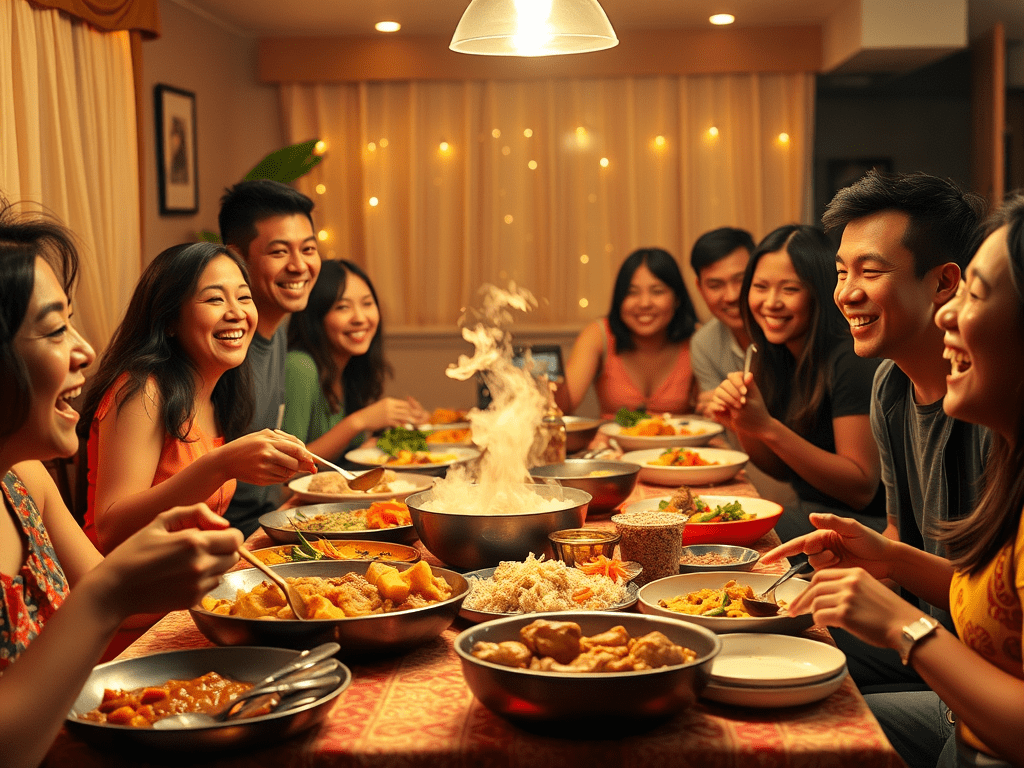
When Filipino immigrants land in Canada, they don’t just bring their suitcases—they bring their charm, their cooking, and their unstoppable knack for turning strangers into lifelong pals. With over 900,000 Filipinos calling Canada home by 2025, this community has cracked the code to friendship in a new land using three unbeatable tools: food, karaoke, and a good laugh. Let’s dive into the how, what, when, where, and why of how Filipinos weave their magic, making friends from Vancouver to Winnipeg—one pancit plate and off-key ballad at a time.
Why Friendship Matters to Filipinos
For Filipinos, friends aren’t just nice-to-haves—they’re family you choose. Back home, the barkada (friend group) is everything: your ride-or-die crew for life’s ups and downs. In Canada, where winters are long and the culture can feel distant, friendship becomes a lifeline—a way to fight homesickness and build a new home. Filipinos lean on their warmth and bayanihan (community spirit) to connect, turning icy streets into warm gatherings. It’s not just survival; it’s thriving, Pinoy-style.
How Do They Do It?
Filipinos don’t wait for invites—they make the party happen. Here’s their playbook:
- Food as the Icebreaker: Nothing says “let’s be friends” like a steaming plate of adobo or a Tupperware of lumpia. They’ll show up to a coworker’s lunch break with extra rice and a smile—“Kain tayo!” (Let’s eat!)—and suddenly, you’re swapping stories over soy sauce. It’s not charity; it’s an open door.
- Karaoke as the Glue: Pull out a Magic Mic, and the room transforms. Filipinos belt out everything from My Way to Celine Dion, inviting everyone to join in—off-key or not. It’s less about talent and more about the shared giggles when someone forgets the lyrics.
- Laughter as the Spark: Filipinos laugh loud and often—cracking jokes about snow (“Parang shaved ice, pero walang ube!”) or their own accents. It’s self-deprecating, infectious, and disarms anyone within earshot. Before you know it, you’re laughing too, and the wall’s down.
Take Ana, a hypothetical Filipina in Calgary. She brings sinigang to a potluck, cues up Tadhana on karaoke, and teases her new neighbor about his “eh” habit. By night’s end, they’re planning the next hangout—friends made, mission accomplished.
What’s the Secret Sauce?
It’s all in the ingredients:
- Food: Think pancit, lechon kawali, or even a Costco-sized tub of ube ice cream. It’s not fancy—it’s hearty, shareable, and screams “home.” Filipinos know food’s a universal language, and their flavors (salty-sour-sweet) hook Canadians fast.
- Karaoke: That portable mic or a $50 Walmart setup turns any basement into a stage. Songs like Kahit Isang Saglit or Total Eclipse of the Heart bridge old Manila vibes with new Canadian nights.
- Laughter: Jokes about Tita’s 10 layers of winter gear or the eternal quest for banana ketchup at Sobeys—it’s light, relatable, and pulls people in. Filipinos don’t take themselves too seriously, and that’s the charm.
Together, these turn a shy “hi” into a full-on barkada vibe.
When Does It Happen?
Timing’s flexible but strategic. Filipinos strike when the iron’s hot:
- First Days: New job? New apartment? They’ll share merienda (snacks) with a coworker or neighbor within a week—early bonds stick.
- Weekends: Saturday nights are prime for karaoke jams—after a long workweek, it’s the perfect unwind. Add some pulutan (finger food), and it’s a party.
- Holidays: Christmas, Filipino Independence Day (June 12), or even Canada Day—any excuse for a potluck. February 27, 2025, might see a post-winter blues gathering, warming up with sisig and laughs.
Spontaneity’s key too—spot a fellow Pinoy at Tim Hortons? “Kabayan!” and a chat over double-doubles kicks it off.
Where Does the Magic Unfold?
Friendship blooms where Filipinos roam:
- Toronto (Scarborough): Packed with Filipinos, it’s potluck central—church basements or backyards host pancit-fueled meetups. Karaoke echoes down streets.
- Vancouver (Surrey): Rainy days mean indoor karaoke marathons—community centers like S.U.C.C.E.S.S. double as friend-making hubs.
- Winnipeg: Smaller scene, bigger heart— prairie winters turn living rooms into laugh-filled refuges with salu-salo (feasts).
- Workplaces: From hospitals (nurses galore) to warehouses, Filipinos share lunchroom ulam and break-room banter, winning over colleagues.
Even online, Facebook groups like “Pinoy in Canada” spark connections—food pics and karaoke clips reel in virtual buddies.
Why Does It Work?
Filipinos have an edge: English fluency (thanks, Philippine schools) makes chatting easy, and their warmth—rooted in malasakit (care)—melts Canadian reserve. Food’s a no-brainer—who says no to free kare-kare? Karaoke’s universal—Canadians might cringe at first, but they’re belting Sweet Caroline by round two. And laughter? It’s the great equalizer—Filipinos’ knack for finding humor in snowstorms or long shifts disarms anyone.
Stats back it up: 62% of Filipinos join community groups (2020 data), outpacing many newcomers. Their social game’s strong—over 900,000 strong by 2025—and growing.
A Laugh to Seal It
Picture this: Tito belts Bohemian Rhapsody off-key, Tita burns the garlic rice (still edible), and the new neighbor’s crying from laughing so hard. “Next time, I’ll bring poutine!” they say, hooked. That’s the Filipino friend-making formula—messy, loud, and full of heart. It’s not polished; it’s real.
Wrapping It Up
Filipinos make friends in Canada with a trifecta of food, karaoke, and laughter—turning strangers into kababayan faster than you can say “extra rice.” It’s their superpower: sharing a meal, a song, and a chuckle to build a barkada across borders. From Surrey basements to Scarborough potlucks, they prove friendship’s universal—and a little sinigang goes a long way. Next time you hear karaoke down the street, crash it—you might just leave with a new bestie.
References
- Statistics Canada – Filipino population and community trends (2020-2025 projections).
- Immigration, Refugees and Citizenship Canada (IRCC) – Settlement and integration insights.
- World Bank – Cultural context via remittance trends (2023).
- Pinoy Buzz – Anecdotes from Filipino-Canadian blogs and forums.
- Cultural Studies – General knowledge on Filipino social norms (e.g., bayanihan).

 Pinoy Life In Canada Blog
Leave a comment