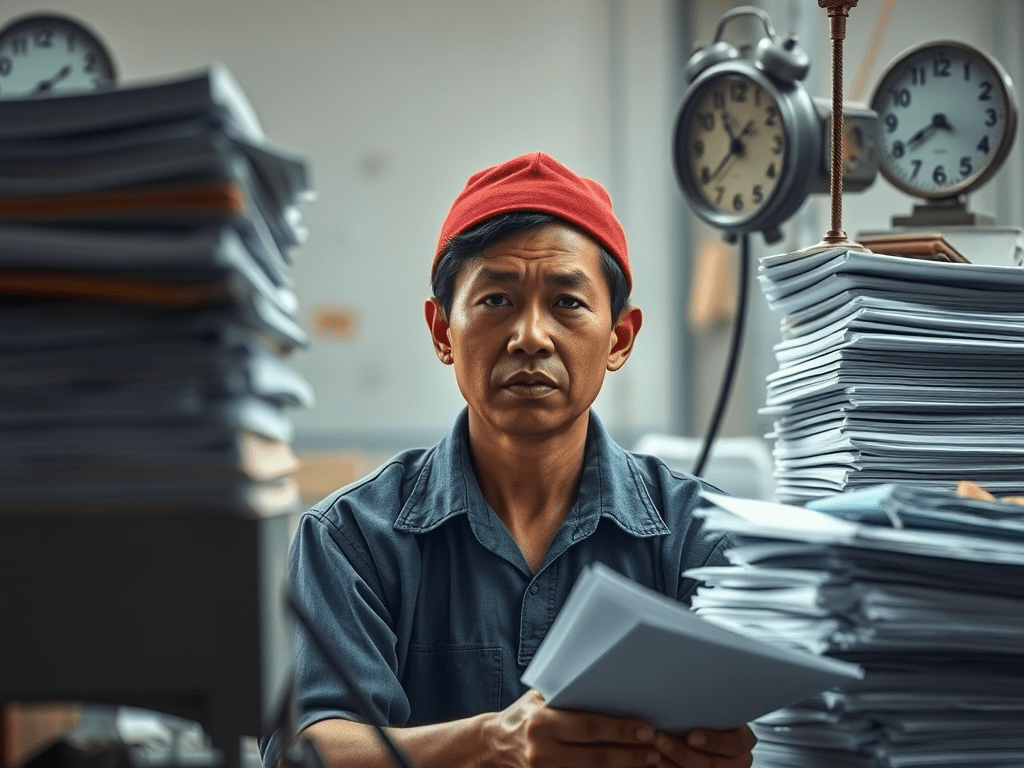
Filipino immigrants have long been a vital part of Canada’s workforce, particularly in sectors such as healthcare, hospitality, and domestic services. However, despite their contributions, many face exploitation, unfair labor practices, and systemic barriers that make them vulnerable to workplace abuse. But what specific challenges do they encounter? When did these issues become widespread? Where are Filipino workers most affected? Why are they at risk? And how can they protect themselves?
What Challenges Do Filipino Immigrants Face in Canada’s Labor Market?
Filipino workers, particularly those on temporary work permits, face several vulnerabilities, including:
- Wage Theft and Underpayment – Some employers fail to pay the proper wages, overtime, or benefits, exploiting workers’ limited knowledge of labor laws.
- Job Insecurity – Many Filipino immigrants work under temporary contracts, making them hesitant to report abuse due to fear of job loss or deportation.
- Overwork and Unsafe Conditions – Reports show that Filipino caregivers, nurses, and food service workers often work excessive hours, sometimes without proper breaks or protections.
- Discrimination and Racism – Some Filipino workers experience racial discrimination in hiring, promotions, or workplace treatment.
- Lack of Legal Knowledge – Many are unaware of their rights under Canadian labor laws, making it easier for employers to exploit them.
When Did the Issue of Labor Exploitation Among Filipino Immigrants Become Prominent?
The vulnerability of Filipino workers in Canada has been a longstanding issue, but it became more visible in recent decades due to the growing number of immigrants under Canada’s labor programs.
- 1960s–1980s: The first waves of Filipino professionals, mainly nurses and educators, arrived under Canada’s immigration programs.
- 1990s–2000s: Canada introduced Temporary Foreign Worker Programs (TFWP) and Live-In Caregiver Programs (LCP), increasing the number of Filipino workers, particularly in domestic and caregiving jobs.
- 2010s: Cases of labor exploitation surfaced, with reports of caregivers experiencing wage theft, abuse, and lack of permanent residency pathways.
- 2020s: The COVID-19 pandemic highlighted the essential role of Filipino workers but also exposed their precarious working conditions, particularly in healthcare and frontline jobs.
Where Are Filipino Workers Most Affected by Labor Exploitation?
Filipino workers are particularly vulnerable in industries that rely heavily on migrant labor, including:
- Healthcare Sector – Many Filipino nurses and personal support workers (PSWs) work in understaffed facilities with long hours and limited benefits.
- Domestic Work and Caregiving – Live-in caregivers often experience poor working conditions, unpaid wages, and isolation from legal support networks.
- Hospitality and Food Service – Filipino workers in restaurants, hotels, and fast-food chains sometimes endure low wages, unpaid overtime, and unfair dismissals.
- Agriculture and Manufacturing – Migrant workers face unsafe working conditions, lack of job security, and exploitation by labor brokers.
Why Are Filipino Immigrants at Risk of Exploitation?
Several factors contribute to the vulnerability of Filipino immigrants in Canada’s labor market:
- Temporary Status – Many arrive under work permits tied to a specific employer, limiting their ability to change jobs even in abusive situations.
- Lack of Support Networks – Newcomers may struggle with language barriers and lack of access to legal resources, making it difficult to fight for their rights.
- Debt and Financial Pressure – Many take out loans to migrate, making them hesitant to report abuse for fear of losing income.
- Cultural Expectations – A strong sense of duty to family in the Philippines makes some workers endure poor conditions rather than risk unemployment.
- Employer Control – Some employers withhold passports or threaten deportation, keeping workers in exploitative jobs.
How Can Filipino Immigrants Protect Themselves from Exploitation?
- Know Their Rights – Filipino workers should educate themselves on Canada’s labor laws, including minimum wage, overtime pay, and workplace safety regulations.
- Seek Legal Help – Organizations such as the Migrant Workers Alliance for Change and Filipino community centers provide legal aid and support.
- Report Abusive Employers – Workers can report violations to Employment Standards Offices or human rights commissions without fear of retaliation.
- Build Strong Support Networks – Connecting with Filipino organizations, unions, and advocacy groups can help workers find resources and protection.
- Push for Policy Changes – Advocacy for better work permit regulations, permanent residency pathways, and stronger worker protections can reduce exploitation.
Conclusion
Filipino immigrants are a critical part of Canada’s workforce, but many remain vulnerable to exploitation, unfair wages, and unsafe conditions. By understanding their rights, seeking legal support, and advocating for systemic changes, they can protect themselves and future generations from workplace abuse. Addressing these challenges requires government action, employer accountability, and community solidarity to ensure Filipino workers are treated fairly and with dignity.
References
- Government of Canada. (2023). Employment Rights for Temporary Foreign Workers. Retrieved from [Government of Canada website].
- Migrant Workers Alliance for Change. (2022). Case Studies on Labor Exploitation Among Filipino Workers in Canada. Retrieved from [Migrant Workers Alliance website].
- Canadian Labour Congress. (2021). The Realities of Precarious Work for Immigrants in Canada. Retrieved from [CLC website].
- Immigration, Refugees and Citizenship Canada. (2023). Pathways to Permanent Residency for Temporary Workers. Retrieved from [IRCC website].

 Pinoy Life In Canada Blog
Leave a comment