Introduction
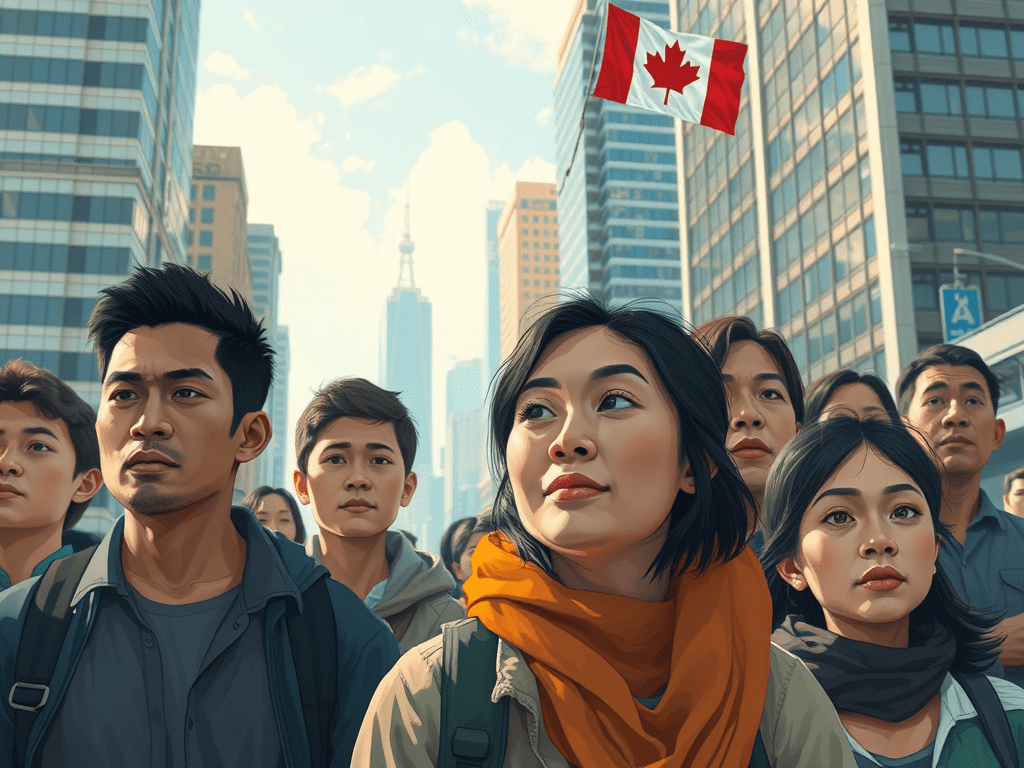
Filipino immigrants have been an integral part of Canada’s multicultural fabric, with over 960,000 Filipinos calling Canada home, making them the fourth-largest visible minority group in the country. While many have found success, a significant number face challenges in adapting to their new environment.
How do Filipinos struggle to adapt in Canada?
The adaptation process involves navigating various obstacles, including financial hardships, employment barriers, cultural differences, and systemic discrimination. These challenges can hinder their integration and overall well-being.
When do these struggles typically arise?
Difficulties often emerge shortly after arrival, as newcomers confront the realities of their new environment. In April 2024, 43% of recent immigrants reported finding it difficult to meet their financial needs within the past year, a higher percentage than more established immigrants and non-immigrants.
What specific challenges do Filipino immigrants face?
- Financial Hardships: A significant portion of Filipino immigrants experience financial difficulties. In April 2024, 35% of Filipino Canadians reported challenges in meeting their financial needs. Statistics Canada
- Employment Barriers: Despite high educational attainments, many Filipinos find their qualifications unrecognized, leading them to accept jobs below their skill levels. This underemployment is often due to systemic issues in credential recognition and workplace discrimination. Frontier Ventures
- Cultural and Linguistic Differences: Adjusting to Canada’s cultural norms and, in some regions, language barriers can pose significant challenges. For instance, Quebec’s emphasis on French can be particularly daunting for non-French-speaking immigrants. Wikipedia
- Systemic Discrimination: Institutional and societal racism affects many Filipino immigrants, contributing to employment disparities and social integration issues. Frontier Ventures
Where are these challenges most prevalent?
While Filipino communities thrive in urban centers like Toronto, Vancouver, Calgary, Winnipeg, and Edmonton, challenges persist nationwide. In Quebec, language laws such as Bill 101 and Bill 96 emphasize French, potentially limiting opportunities for non-French-speaking immigrants.
Why do these struggles persist?
Several factors contribute to the ongoing challenges:
- Systemic Barriers: Institutional policies and societal attitudes can hinder the recognition of foreign credentials and equitable employment opportunities.
- Economic Pressures: The high cost of living in Canada, combined with underemployment, exacerbates financial strains. Western Union Money Transfer
- Cultural Adjustment: Adapting to new social norms, climates, and, in some regions, languages requires time and resources that may not always be accessible.
Addressing these challenges necessitates collaborative efforts from government bodies, community organizations, and the broader society to create inclusive policies, provide support systems, and foster an environment where Filipino immigrants can thrive.
References:
 Pinoy Life In Canada Blog
Leave a comment